Publicerat på Google
 Viola Kazimiersky
Trustindex verifierar att den ursprungliga källan till recensionen är Google.
Underbart ställe för en stunds avkoppling , det finns promenadstråk runt sjön.Publicerat på Google Eddie *****
Trustindex verifierar att den ursprungliga källan till recensionen är Google.
Välordnat ställe för fiske av regnbågslax.Publicerat på Google Lars BaudischSchöner kleiner See,mit sehr kampfstarken Forellen. Super Preisleistungsverhältnis. Für 17 Euro den ganzen Tag angeln .Publicerat på Google
 Lars Göran BjörkMycket trevligt ställe,fiska och koppla av😃👍


About the Fish
Rainbow Trout Fishing at Lake Grundsjön
Rainbow Trout – Sport Fishing in Sweden and Rainbow Trout Fishing at Lake Grundsjön
Rainbow trout (Oncorhynchus mykiss), also known as rainbow salmon or rainbow trout, is one of the most popular species for sport fishing in Sweden. Although this species is not native here, it has become a favorite among anglers across the country through stocking in so-called put-and-take waters. Here you can learn more about the rainbow trout’s appearance and characteristics, its history and distribution in Sweden, as well as the best fishing methods, baits, and seasons for rainbow trout fishing. We also place special focus on rainbow trout fishing at Lake Grundsjön – a renowned trophy fishing water in Sölvesborg where the Regnbågen Sport Fishing Club manages the stocking of the fish.
Appearance and Characteristics of the Rainbow Trout

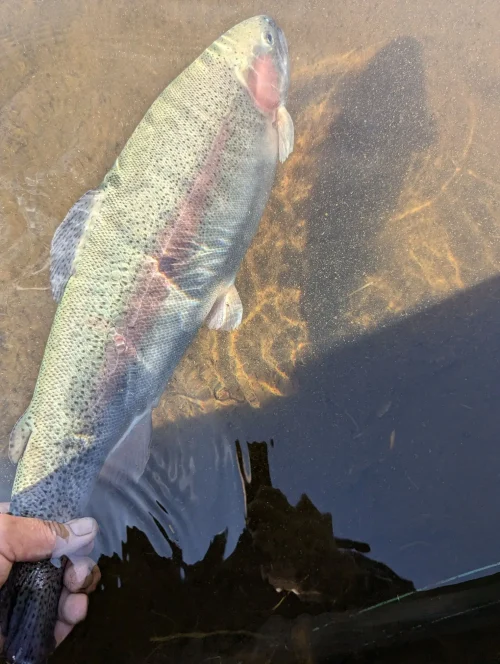
Rainbow trout is a salmonid fish known for its distinctive appearance. It has a broad pink-red band along its sides, from the gills to the tail fin, and its body and fins are covered with numerous small black spots. The fish’s back shows blue-green hues, while the belly is silvery white. During the spawning season, these colors intensify, especially in males, which may develop an even deeper red hue and sometimes a whitish tip on the snout.
Under favorable conditions, rainbow trout can grow quite large—up to about 80 cm in length and over 10 kg in weight. However, in Swedish fishing lakes such trophy specimens are rare; stocked trout usually weigh between 1 and 5 kg. (The Swedish sport-fishing record for rainbow trout stands at around 14.1 kg.) Although they can theoretically live beyond 15 years, most are caught much earlier in our recreational waters. Rainbow trout are celebrated for their fighting spirit and powerful runs when hooked—a quality that makes them especially prized by anglers.
History and Distribution in Sweden
Rainbow trout in Sweden has a history dating back to the late 19th century. In 1892, the first rainbow trout eggs were imported to Sweden for hatching, and just two years later (in 1894) the country’s first rainbow trout hatchery was established at Ängelsberg in Västmanland. The species originates from North America (the western Pacific region) and was not native to Swedish waters. During the first half of the 20th century, rainbow trout began to be stocked into various lakes and waterways, primarily for aquaculture and sport fishing.
Today, rainbow trout are among the most common fish in Sweden’s put-and-take lakes. Because they rarely spawn naturally in most of our waters, continuous stocking is required to maintain populations. On rare occasions, trout have reproduced successfully in the wild here, but such cases are exceptions. Although the species is considered invasive—since it is not indigenous—rainbow trout fishing contributes greatly to recreational angling and tourism. Thanks to these stocking efforts, rainbow trout are now found throughout Sweden in dedicated fishing lakes and ponds—from Skåne in the south to Lapland in the north—where anglers can fish under a valid permit.
Best Fishing Methods for Rainbow Trout
Best Fishing Methods for Rainbow Trout
Rainbow trout is a versatile sport fish that can be caught using a variety of methods. Which technique is best depends on personal preference and factors like season and weather. In general, spinning, bait fishing, and fly fishing all work wonderfully for rainbow trout. Here are a few common approaches and how to use them when targeting rainbow trout:
Spinning
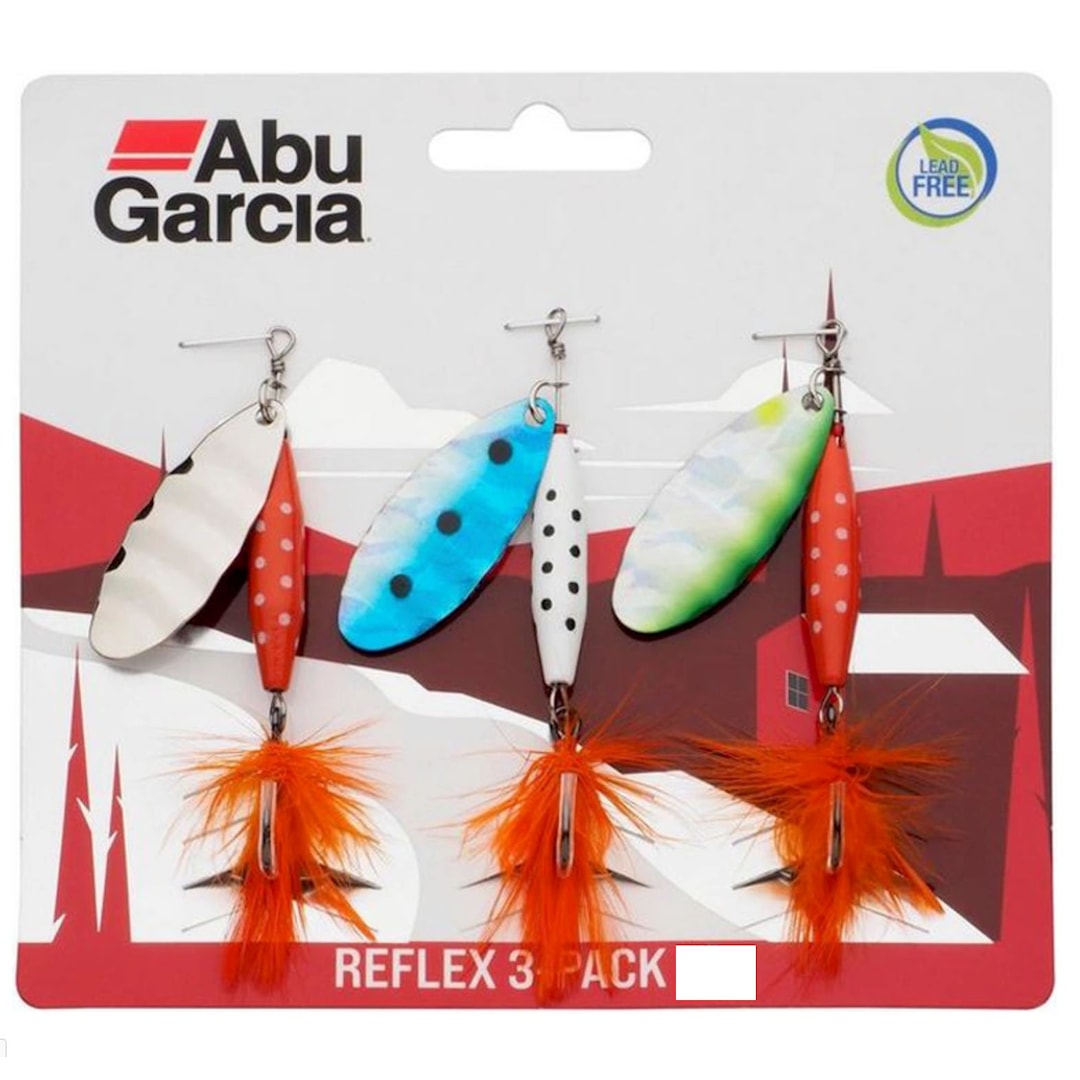
Spinning for rainbow trout means casting with a spinning rod and artificial lures that imitate baitfish or other prey. Spoons and spinners that flash and wobble in the water are classics—bright, reflective finishes tend to trigger strikes in clear water, while more natural tones can be better when it’s murky or low-light. Vary your retrieve speed: try steady cranks, then add short pauses so the lure sinks a bit—rainbow trout often hit on the drop. A light to medium spinning outfit (e.g., a 7–9 ft rod with 0.20–0.30 mm line) and lures in the 5–15 g range are a great starting point. Trout punch well above their weight, so be ready for strong, sudden runs!
Bait Fishing (Bottom and Float Fishing)
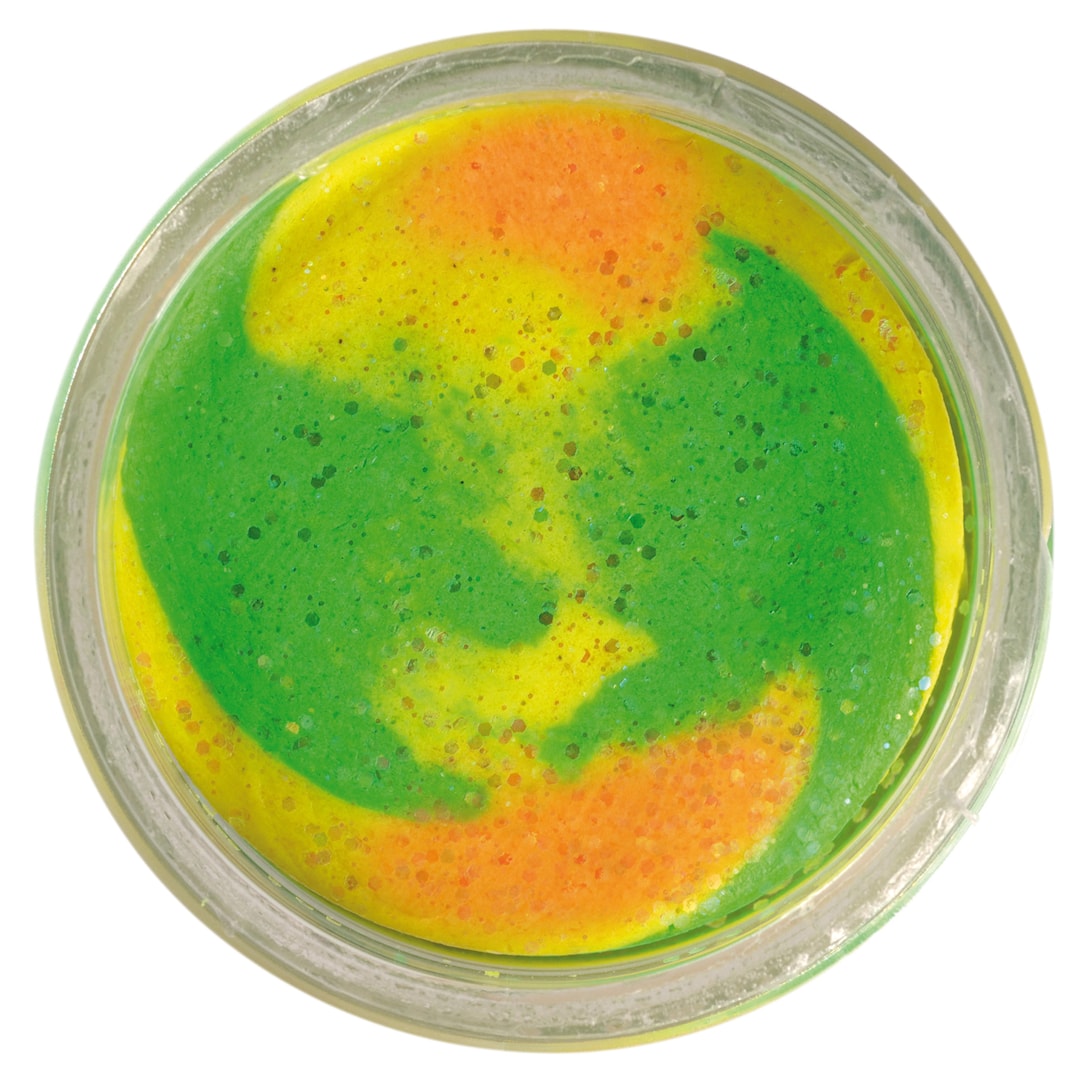
Bait fishing is hugely popular for rainbow trout, especially in put-and-take lakes. The most common style is bottom fishing with scented dough baits like PowerBait. Because the dough floats, you place a sinker a bit up the line so that when you cast out, the weight drops to the bottom and the bait hovers just above it—right in the feeding zone. Natural baits like worms, shrimp, or corn also work great on a bottom rig.
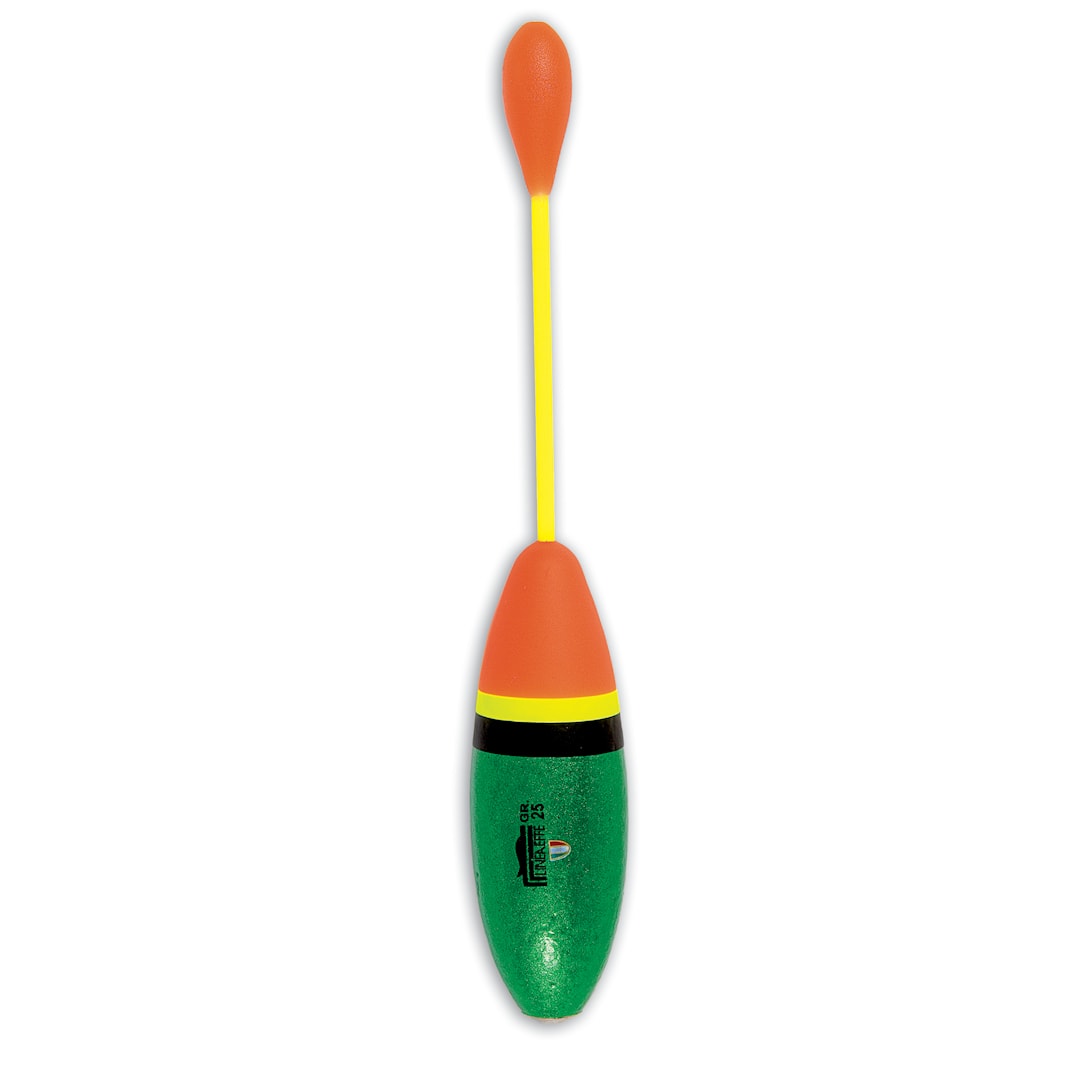
Float fishing is another excellent option: a bobber lets you present bait at a precise depth. Big earthworms, shrimp pieces, or sweetcorn under an adjustable float can be irresistible. Try shallow during early mornings or late evenings when trout move up in the water, and deeper midday if they’ve settled down. Float rigs are simple, visual, and fun—beginners and kids love watching the bobber twitch or disappear.
Fly Fishing
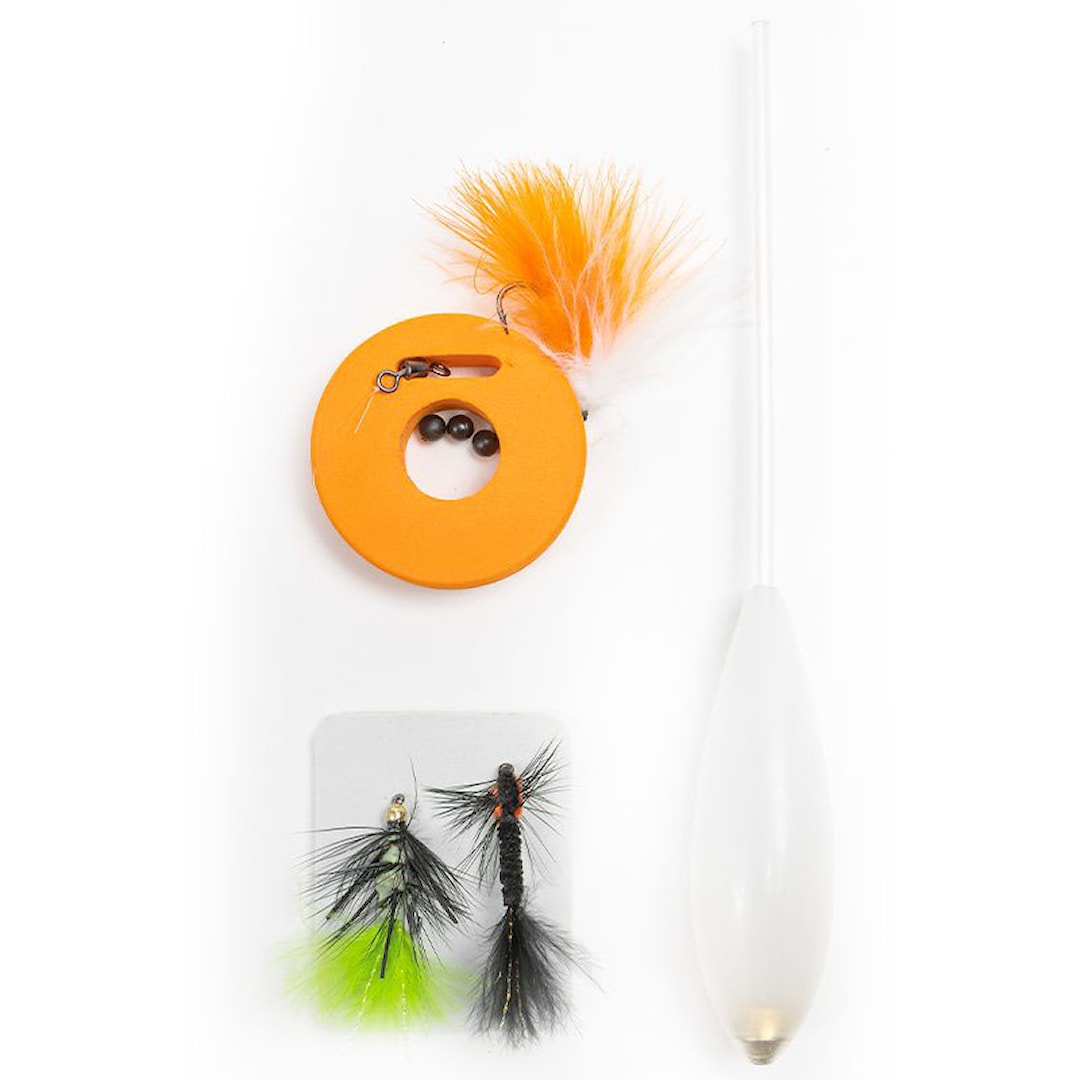
Fly fishing for rainbow trout is cherished by anglers who enjoy the challenge of imitating a trout’s natural diet. Although trout are stocked, they still readily take insects. You cast an artificial fly—imitating anything from a mayfly to a small minnow—using a fly rod and line. If you see trout sipping on the surface (“rising”), dry flies like mayfly or caddis patterns can be deadly. If there’s no surface activity, try nymphs just below the surface or streamers that mimic small fish or worms. Fly fishing demands more technique but rewards you with a direct, sporting battle. Many say rainbow trout were made for fly fishing thanks to their eagerness and strength. A #5–7 weight rod and a 0.20 mm tippet (nylon or fluorocarbon) make a solid all-round setup.
Recommended Seasons for Rainbow Trout Fishing
Rainbow trout can be fished almost year-round, but different seasons offer varying conditions. In general, spring and autumn are the best seasons for rainbow trout fishing in Sweden. In spring, just after ice-out, the water is cold and highly oxygenated, which makes trout active and eager to feed. Having often gone without much food over winter, they hunt voraciously—making it an excellent time for spinning with spoons or spinners, or fly fishing with streamers. Likewise, in late autumn, as the water cools again, trout feed aggressively to fatten up for winter. Autumn fishing can yield spectacular catches; fish often take larger baits and may stay near the surface longer during daylight hours.
Summer fishing for rainbow trout can be more hit-and-miss. In early summer—on warm springdays and cool summer mornings—fishing is often productive, but during the height of summer when the water warms, trout can become sluggish midday. They then move to deeper, cooler layers or hug the bottom where temperatures are lower. The best strategy on hot days is to fish early and late—when waters near the shore are coolest and trout come in to feed. Use smaller baits and slower presentations if fish seem inactive in warm water. Small, discreet fly patterns or bait fishing with corn or maggots can still produce during the hottest periods, as can deep spinning with a sinking plug or heavier spoon.
Winter fishing for rainbow trout is possible in some put-and-take waters that remain open for ice fishing. Trout will still take baits in winter, albeit more slowly. Pike-style jigging (ice fishing) can be done using mormyska or small spoons/jigs tipped with maggots, or with wobbling ice jigs that are twitched to entice strikes. In winter, trout move more slowly, so patience and gentle presentation are key. Note that many rainbow trout lakes close over parts of winter for safety and to restock; always check local regulations before heading out.

Effective Baits and Techniques for Rainbow Trout
Effective Baits and Techniques for Rainbow Trout
When it comes to baits for rainbow trout fishing, there are a range of options that have proven successful. It often pays to experiment with different baits and adapt your technique to the fish’s behavior. Here are some of the best baits and techniques for rainbow trout:
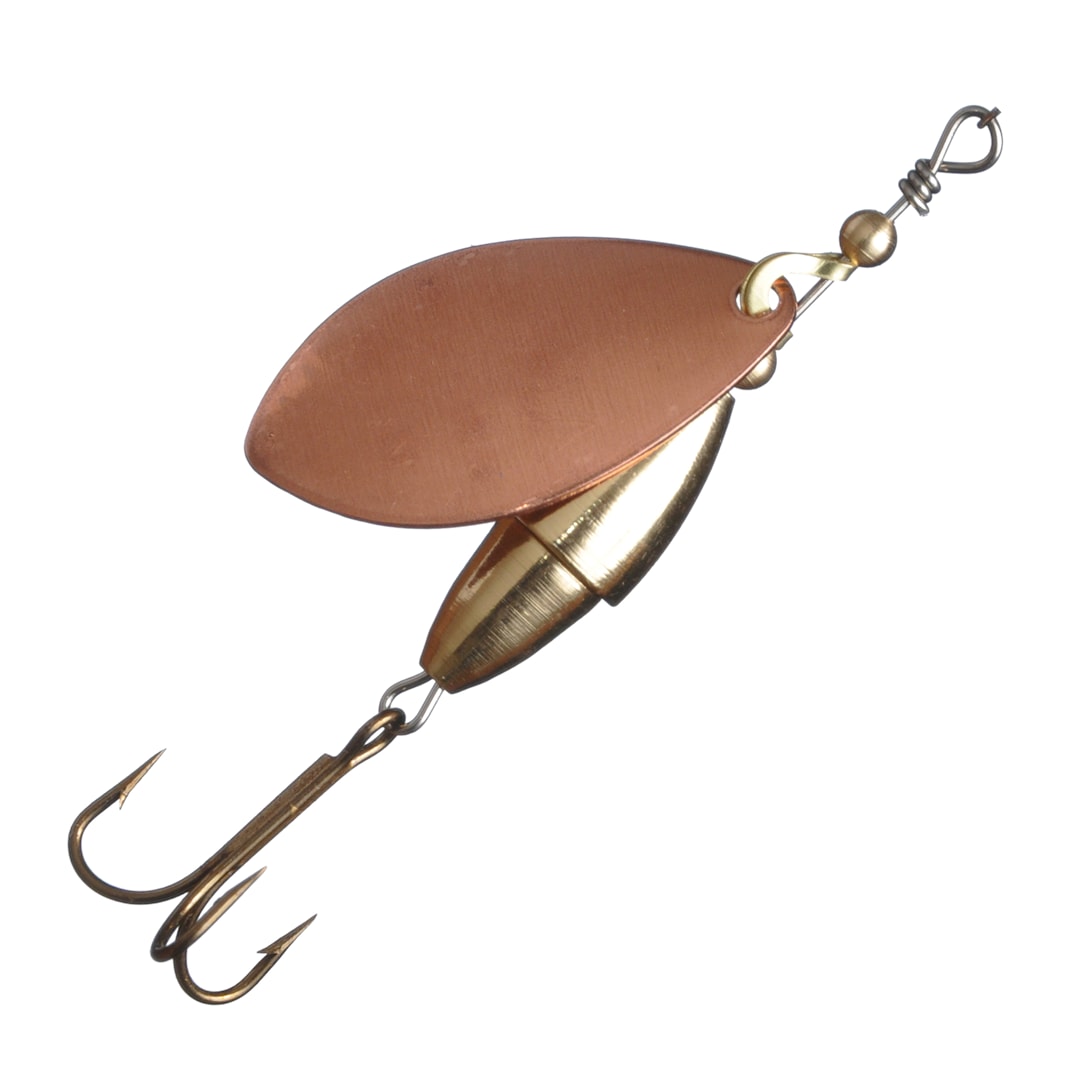
- Spinners: Rotating blade spinners (e.g., classic Mepps or Myran spinners) are highly effective as they create strong vibrations and flashes in the water. Choose bright colors or silver/gold blades in clear water, and try copper or darker tones in murky water. Vary your retrieve speed—strikes can be triggered when the blade suddenly changes pace.
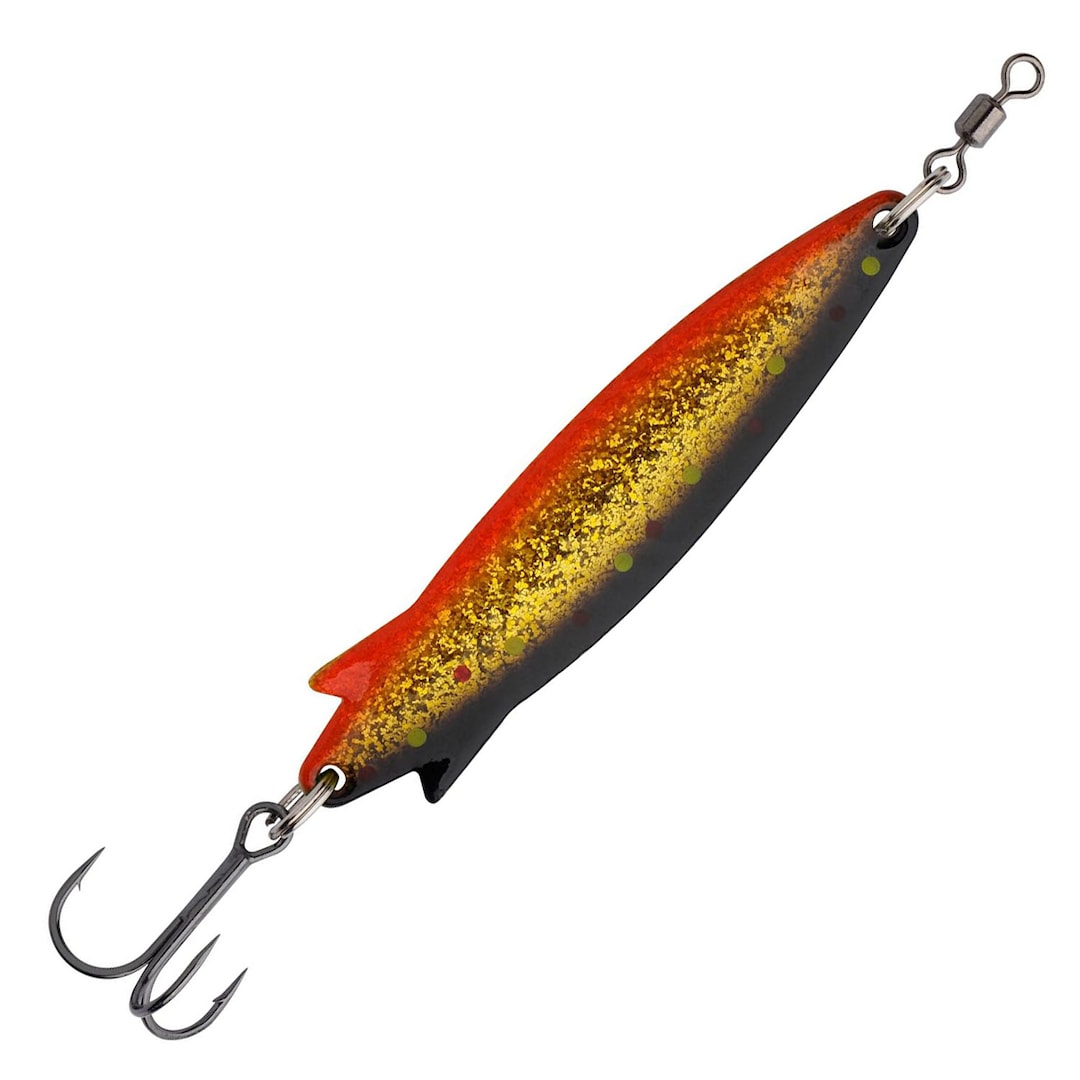
- Spoons: Spoons (such as Abu Garcia Toby) imitate small baitfish and have an irregular wobbling action that entices trout. Their good casting distance lets you cover large areas. Let the spoon sink a few seconds after the cast to fish deeper, then retrieve with erratic jerks to mimic an injured fish.
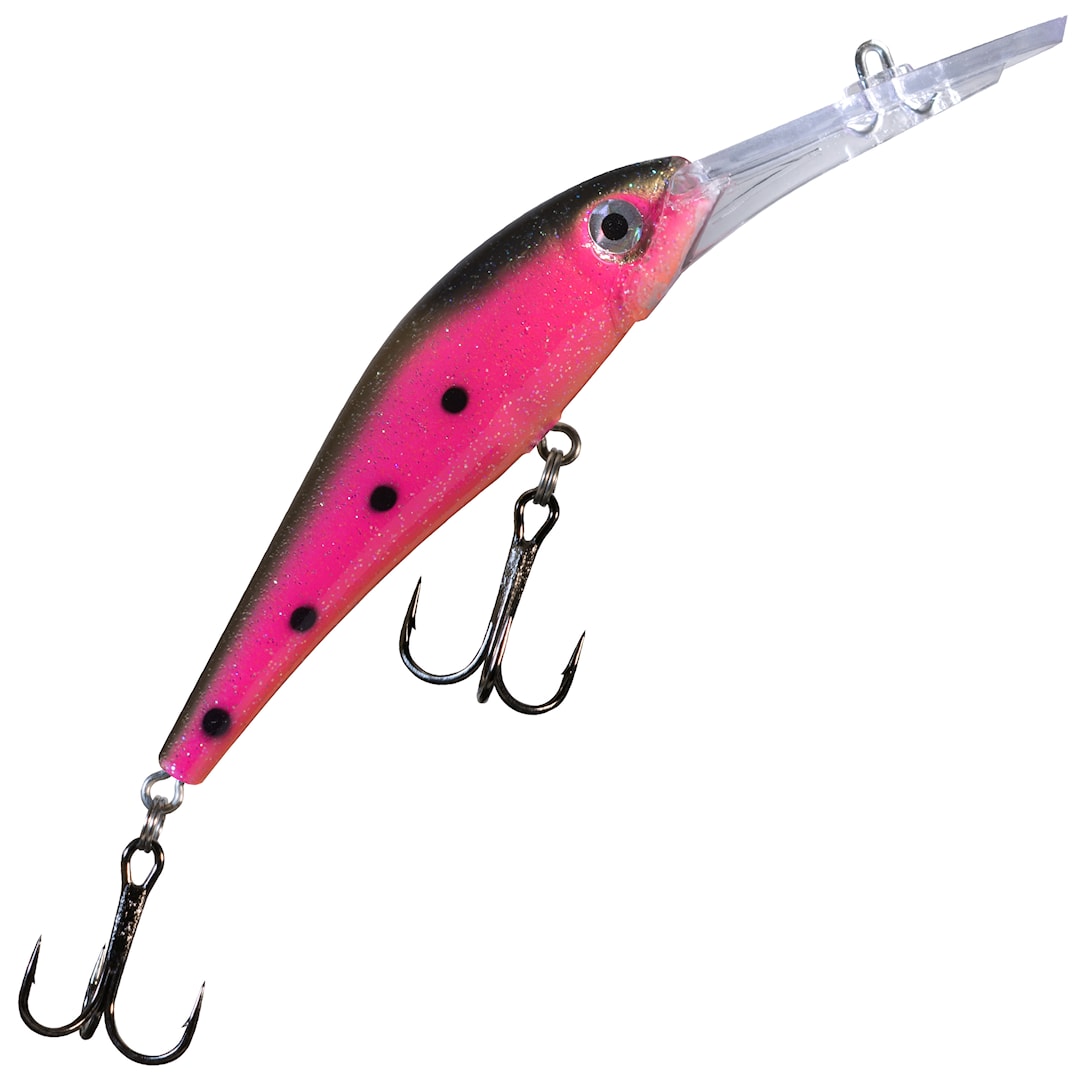
- Crankbaits & Jigs: Small crankbaits (5–10 cm) that dive to medium depth are great when trout are feeding on fry. Soft-plastic jigs—like a small shadjig in rainbow or white—also work well. Fish them near the bottom with subtle lifts and drops if the fish are holding deep.
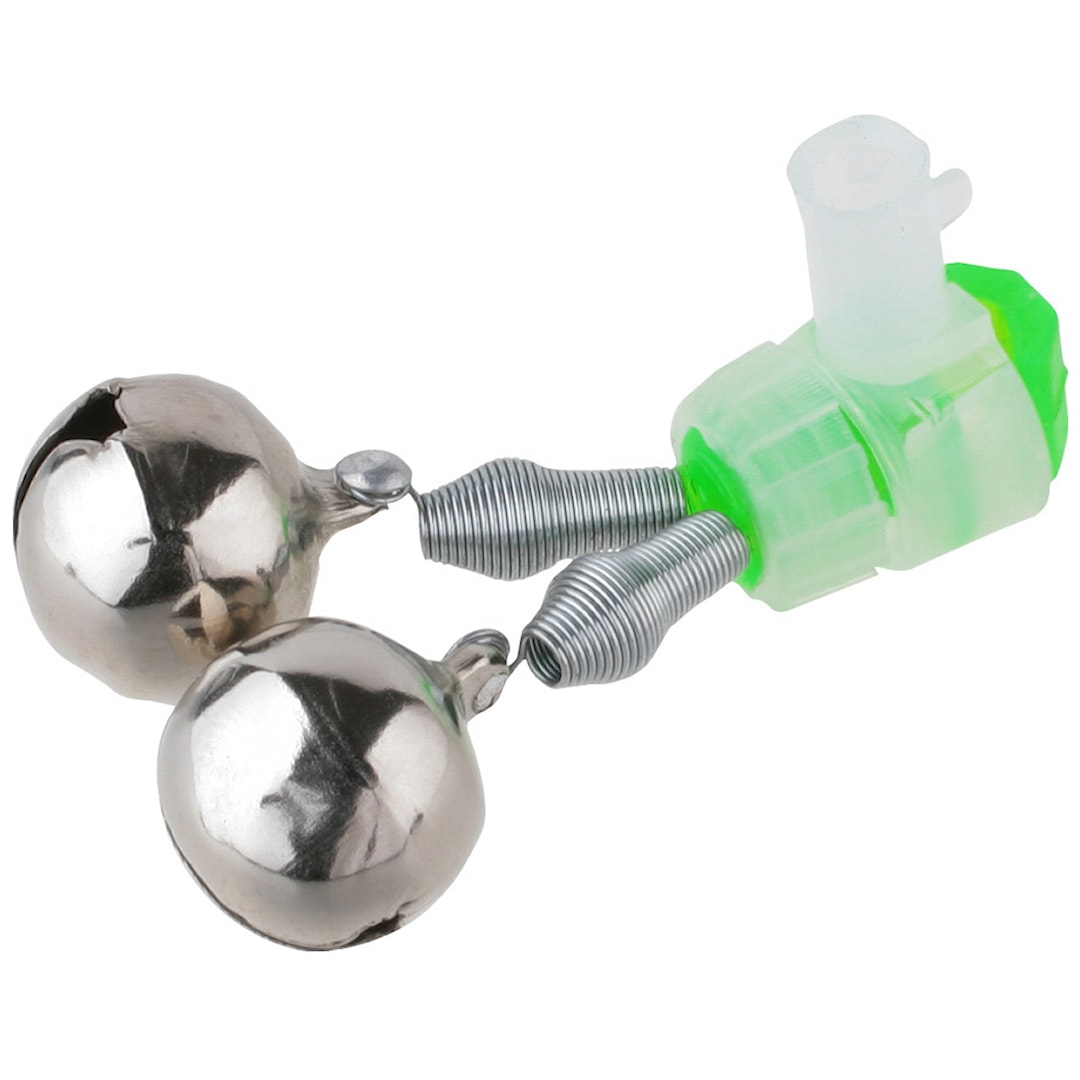
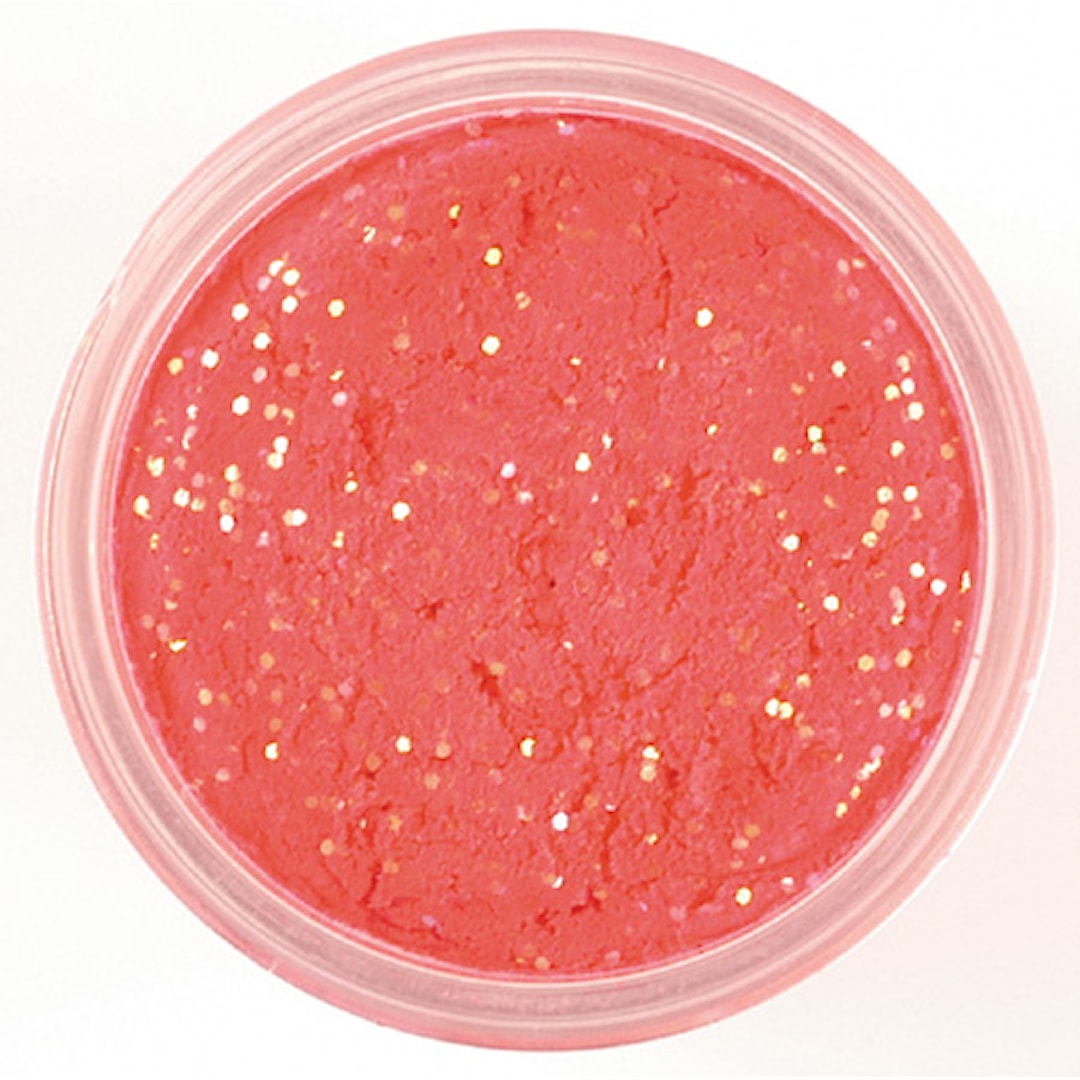
- PowerBait & Dough Baits: PowerBait is one of the most popular trout baits. Its scent and flavor attract fish, and because it hovers just above the bottom, trout find it easily. Shape the dough around a single hook so it just covers the hook, and use a light sinker above it. Watch your line or use a bite indicator, as bites can be subtle or sudden.
- Worms, Shrimp & Corn: Natural baits are always reliable. A fat earthworm on the hook wriggles enticingly and smells irresistible. Peeled shrimp pieces give off a strong scent, especially in cold water. Canned sweetcorn is an unexpected but effective bait—its color and sweetness often trigger strikes. Fish these under a float or on the bottom, depending on where the trout are holding.
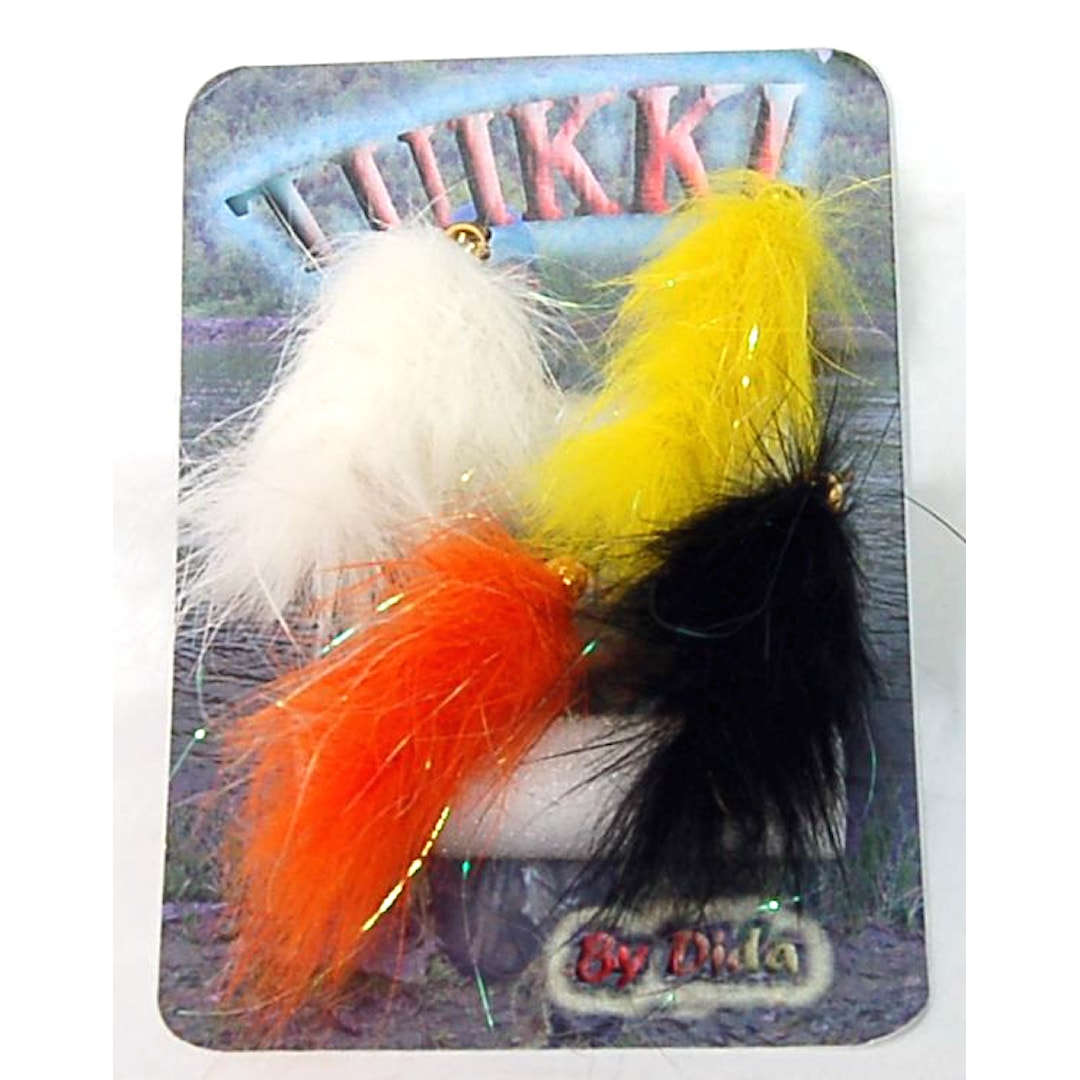
- Flies: Fly choice is crucial in fly fishing. Proven patterns include the Woolly Bugger (streamer), Montana Nymph (nymph imitation), and emergers or dry flies like the Godzilla and European Wickham’s during hatches. Match your fly to the insect activity and time of day—watch the surface for rises or insect presence to guide your choice.
Techniques for rainbow trout fishing are all about reading the situation and staying flexible. Rather than lingering in one spot if there’s no action, move around—the trout often patrol different areas, and trying multiple spots increases your chances. Adjust your approach to the weather: on cloudy days trout feed throughout daylight, while on sunny days mornings and evenings are best. Finally, be patient but stay alert—trout bites can range from delicate nibbles to powerful strikes that bend the rod hard!
Rainbow Trout Fishing at Lake Grundsjön – A Put-and-Take Paradise
Lake Grundsjön is a well-known spot for rainbow trout fishing in southern Sweden. The lake sits atop Ryssberget on the border between Blekinge and Skåne (in both Sölvesborg and Bromölla municipalities) and is a true put & take fishery. Here, the Regnbågen Sport Fishing Club regularly stocks high-quality rainbow trout to ensure exciting angling for the public. Grundsjön is sometimes called a “trophy fishery” because rainbow trout are noble salmonids and the lake’s predominant species. (There are also smaller populations of pike, perch, roach, and eel, but most come here for the trout.)
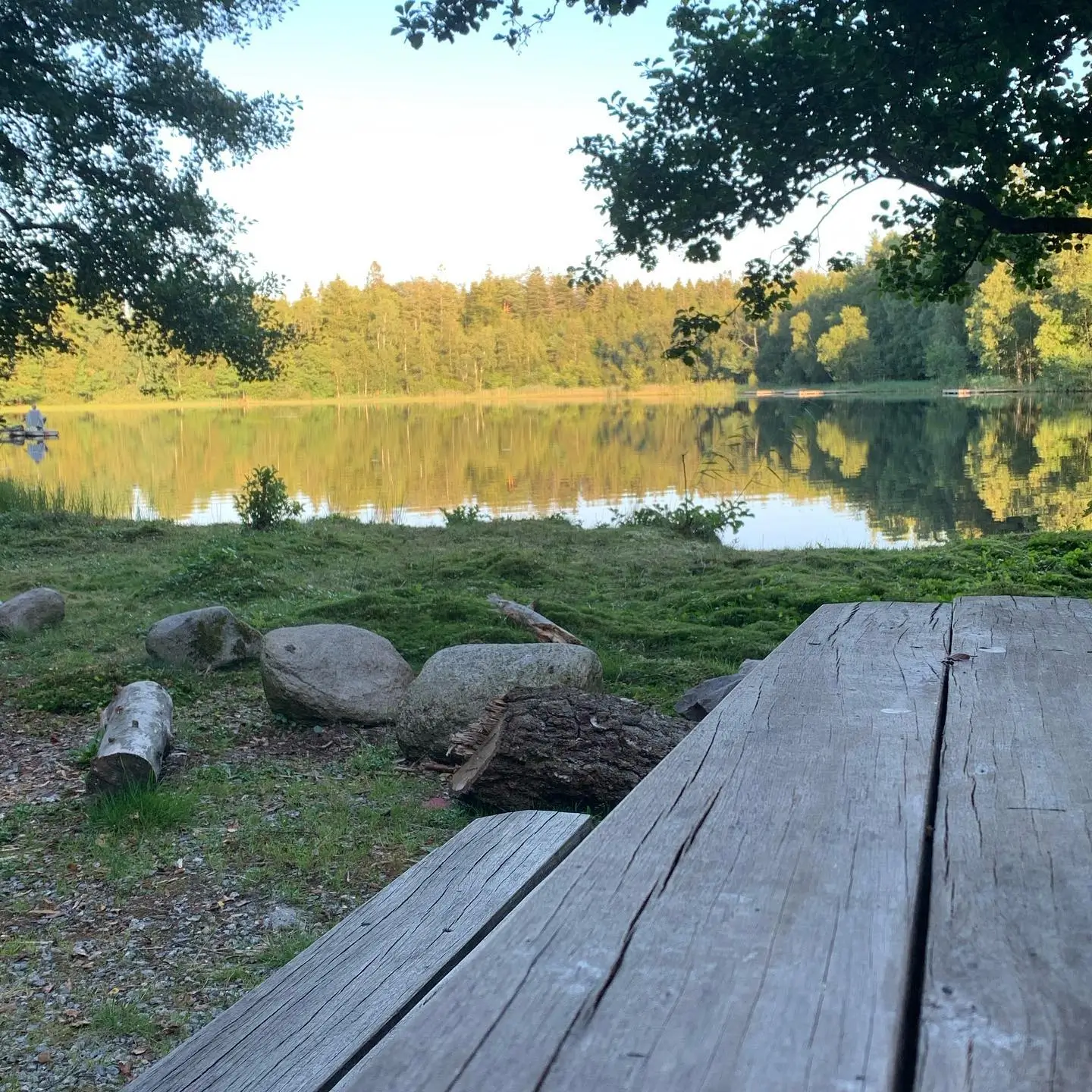
A major advantage of fishing at Grundsjön is its excellent accessibility. Multiple piers ring the lake—including a wheelchair-accessible platform—so no boat is needed. You can fish right from shore or off the docks, making it perfect for both seasoned anglers and families with children. The area is well maintained, featuring hiking trails, shelters, and barbecue spots for a full outdoor outing.
Grundsjön is relatively shallow (only about 2–4 m deep), so trout often occupy the entire water column. That means you can catch fish near the surface (e.g. with flies during hatches) or along the bottom (e.g. with PowerBait or jigs) depending on conditions. Thanks to continual stocking, bite rates are high, but older, more wary trout can still present a challenge. Don’t hesitate to change bait or location if things are slow.
A valid fishing permit is required to fish Grundsjön, available from an on-site machine or via digital services like iFiske. Permits typically allow you to keep up to three trout per day (check current rules). The catch quota spreads the harvest so more anglers can enjoy good fishing. The lake is open for fishing during ice-free periods—check the Regnbågen club’s announcements for exact dates (spring opening is a highlight). During open season you may fish from dawn until dusk, with sunrise and dusk often yielding the best action.
In summary, Grundsjön offers a fantastic opportunity to experience rainbow trout fishing at its finest. Whether you’re a beginner eager to feel your first trout run, or a veteran chasing the next trophy, this lake has something for everyone. Pack your gear, buy your permit, and head out—chances are you’ll hook a hard-fighting rainbow trout in Grundsjön’s clear waters!